Golf Kicks
Direct-to-Consumer · Sports & Lifestyle E-commerce
Shopify · HubSpot · Klaviyo · Zapier · OptiMonk · Judge.me
CRM Migration · Stack Integration · Lifecycle Automation · Data Architecture · Post-Sale Retention

The Situation
A connected stack on paper. A broken one in practice.
Golf Kicks came in with all the right tools already in place. Shopify as their e-commerce front end. HubSpot as their operational CRM. Klaviyo as their marketing automation platform. Zapier bridging the two. OptiMonk handling lead capture. Judge.me installed for post-sale reviews. On paper, it was a modern, well-considered direct-to-consumer stack. In practice, none of it was working together.
Data was moving between platforms but inaccurately. Customer records existed in Klaviyo that had never been validated against HubSpot. Lead contacts were bleeding into customer communications. Abandoned cart recovery had never been properly triggered. Post-sale retention was entirely manual. And the review workflow through Judge.me had never been activated at all. The tools were there. The intelligence connecting them was not.
What Was Missing
Not more platforms. A single governing data logic across all of them.
The root problem was the absence of a clear data architecture: a defined source of truth, a validated field mapping between systems, and a set of rules that determined what happened to a contact at every stage of their journey. HubSpot was positioned as the source of truth, but it had never been fully validated in that role. Klaviyo was operating from incomplete data. Segmentation logic across both platforms was inconsistent. And the automation layer abandoned cart, post-purchase, review requests, had been partially configured and never tested end to end.
The business also had no clear separation between leads and customers inside their marketing automation. Promotional catalogue campaigns were reaching contacts who had never transacted. Recovery flows were reaching contacts who already had. The data environment was making every automation less effective than it should have been.
What I Built
A validated, unified data environment with automation that actually fires.
The engagement began with a full audit of the entire stack: every OptiMonk form, every field mapping through Zapier, every segment and list in Klaviyo, every contact attribute in HubSpot. What came back was a system with multiple silent failures, data that appeared to be flowing but was arriving incomplete, duplicated, or mis-tagged.
I rebuilt the data architecture from the field level up. HubSpot was confirmed and configured as the single source of truth. The HubSpot → Zapier → Klaviyo sync was audited, corrected, and documented: field mappings validated, Customer Type, Customer Segment, State, and Lead Source all correctly flowing and visible in Klaviyo. Deduplication logic was implemented to prevent contacts from appearing in multiple lists. Leads were cleanly separated from customers across all automation logic.
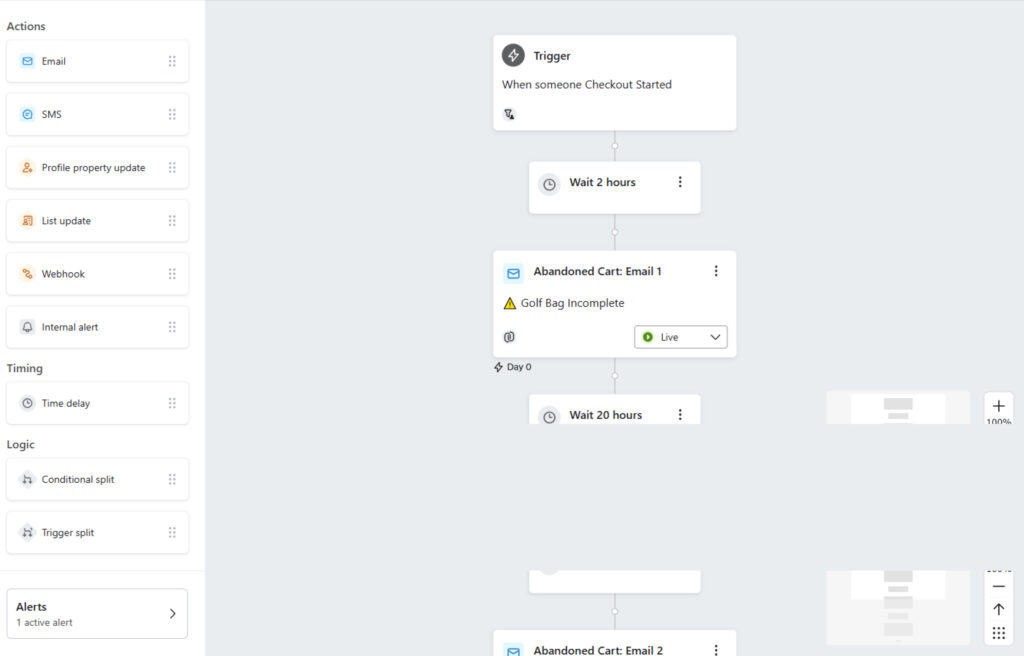
Abandoned cart and checkout recovery were assessed, the right Shopify data triggers identified, and the recovery sequence was built and connected to Klaviyo for real-time activation. The Judge.me post-sale workflow was designed from scratch: a Make-based fallback trigger was built so that Klaviyo fires a Google Business review request after a defined post-delivery delay, with the correct state-based review link dynamically inserted from HubSpot data. Campaign governance was also established — list selection logic, segment validation before every send, and a reporting framework covering open rates, click-throughs, and bounce handling. The internal team was briefed and trained on maintaining the system.
THE PROCESS
Step 1
Step 2
Step 4
Step 5
THE RESULT
6
Platforms unified under one data architecture.
11+
Silent data failures identified and resolved at audit.
- HubSpot confirmed and operating as a true single source of truth for the first time, all downstream platforms now pulling from validated data.
- Leads and customers fully separated across automation logic, no promotional campaign now reaches an unqualified contact.
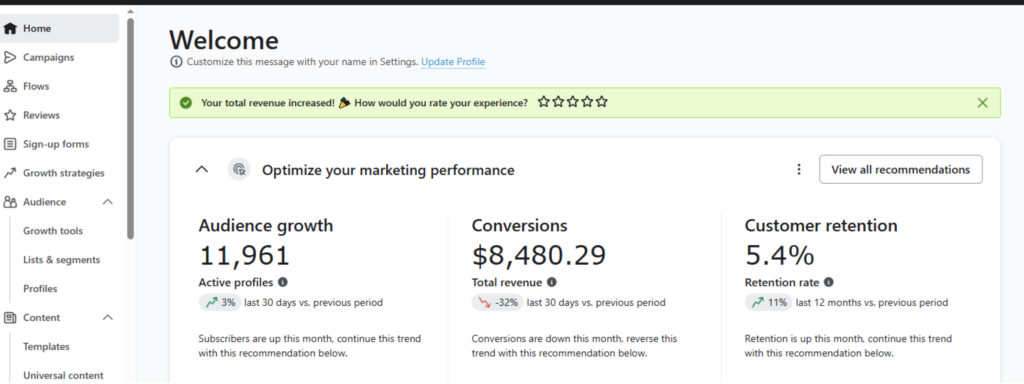
- Abandoned cart recovery live and firing in real time from correctly mapped Shopify data.
- Post-sale review workflow built from zero, Judge.me trigger and Klaviyo follow-up now automated, with dynamic state-based links requiring no manual intervention.
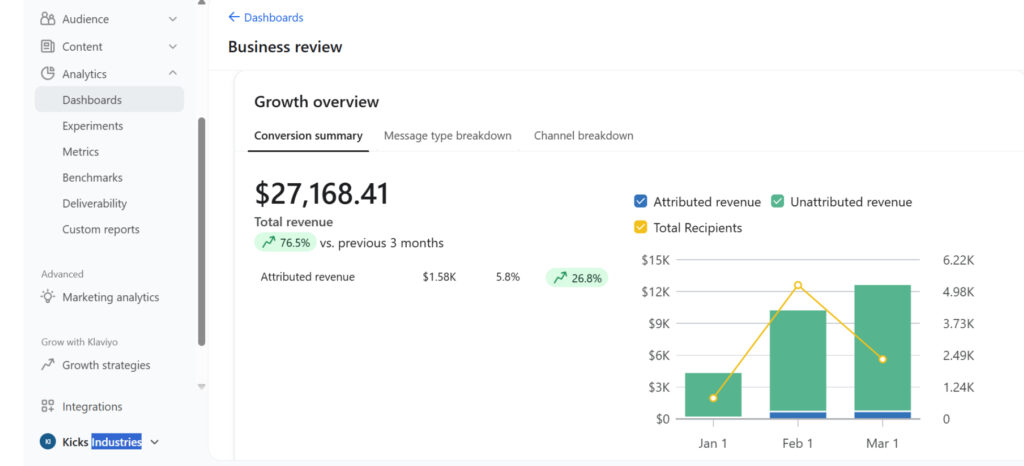
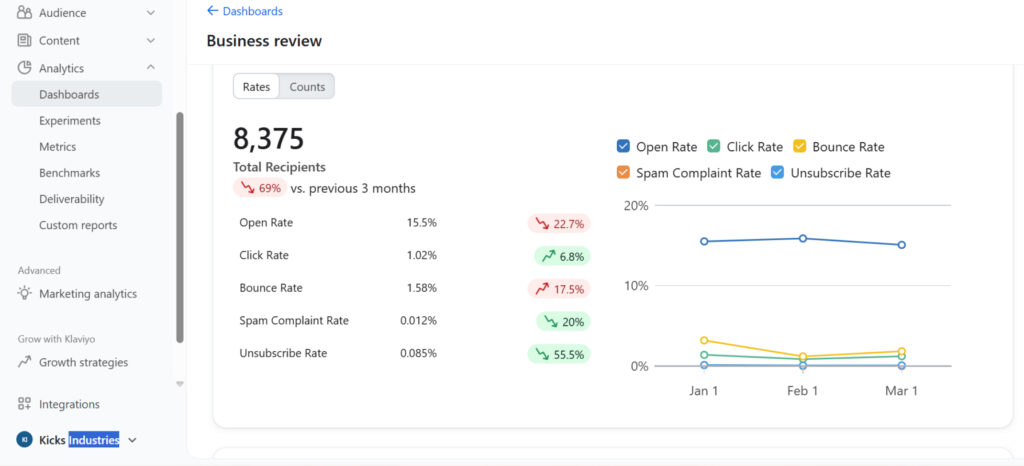
- Campaign governance established, every send now runs against a validated segment, with a reporting framework tracking performance from open to bounce.
- Internal team trained and capable of managing the system independently.
What runs automatically now
The complete customer journey, lead capture through OptiMonk, contact sync into Klaviyo, abandoned cart recovery, post-purchase sequence, review request with dynamic geo-routing, and catalogue campaign sends, all run from a single validated data layer without manual intervention.
Platforms used
HubSpot · Klaviyo · Zapier · OptiMonk · Judge.me · Make
Engagement type
Independent CRM consultant, full stack audit, data architecture, automation build, team training.
STILL THINKING ABOUT YOUR CRM PROJECT?
I WORK WITH A SMALL NUMBER OF BUSINESS LEADERS AT A TIME
If you’re looking for a strategic partner to design, build,
or optimize your CRM and lifecycle system, that conversation starts here.
For advisory, speaking, or collaboration enquiries: aboddickson@gmail.com
